
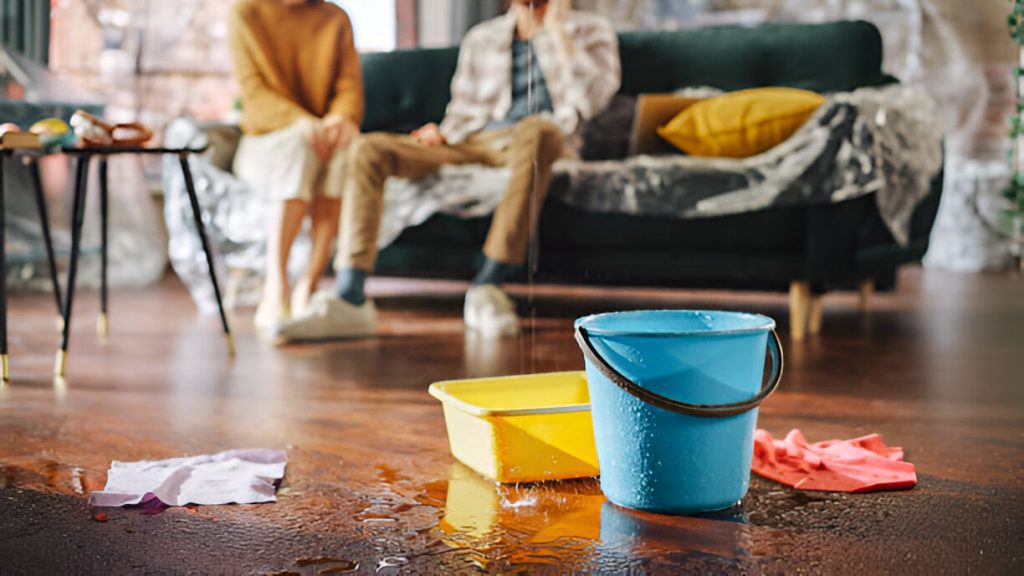
Water damage is one of the most common and expensive problems that homeowners in Thornton will face. According to the Insurance Information Institute, water damage accounts for almost 29% of all homeowners’ insurance claims filed across the country each year. In the state of Colorado alone, thousands of homeowners file claims each year due to plumbing failures, foundation leaks, and severe weather, and the average water damage insurance claim exceeds $11,000, with many not only resulting in damage which is quite extensive, but numerous issues including mold, structural failure, and health and safety issues.
The most serious aspect of water damage is how it often spreads so quietly. A small leak under a kitchen sink, or water trapped behind a wall, may go unnoticed for a while until it finally makes its way to the surface and turns into unrecoverable structural or cosmetic damage.
Top Triggers for Water Damage in Thornton Homes
Homeowners must be aware of what causes water damage and how they can stop it. Here are some of the common causes of water damage, and strategies listed by water damage restoration experts in Thornton to keep your home protected with peace of mind.
- Leaking or Bursting Pipes
One of the most common areas of water damage, which is easy for us to ignore, is leaking and bursting pipe damage. In the cold winters, many house pipes are not insulated and are therefore more prone to bursting/splitting from extreme cold. Water expands as it freezes and puts tremendous pressure on the pipe itself, rupturing it, and now there is damage and water intrusion with catastrophic flooding.
To prevent this, homeowners are advised to insulate exposed pipes in areas like basements, attics, and crawl spaces. Letting faucets drip slightly in freezing temperatures can also help keep water moving, which can help decrease pressure in frozen conditions. Examining plumbing systems annually may find early signs of corrosion or loose fittings and allow you to act before an emergency starts.
Also Read: How to Winterize Your Pipes to Prevent Water Damage
- Appliance Issues
There are tons of appliances like dishwashers, sinks and washing machines, refrigerators, even water heaters that all have the potential for slow leaks or complete catastrophes. Hoses and seals can crack over time, and leaks can go unnoticed for extended periods.
If all you do is maintain your sprinkler system and replace the rubber hoses with steel-braided replacements, it will help stop the damage. But if there are many appliances, it is always better to set up leak detectors.
- Roof Leaks and Weather Damage
The roof is the first line of defense against moisture. If you roof is experiencing damage and/or loss of shingles, ice dam build up, and compromised flashing, you may start to introduce moisture into ceilings and walls.
Homeowners should always inspect their roof twice a year and right after severe weather. They should clean gutters, look for dents, and trim overhanging tree branches to avoid more roof damage. Scheduling a professional roof inspection to help identify the compromised structural health of your roof is highly advised.
- Downspout and Gutter Failures
Blocked or broken gutters don’t just look terrible—the gutters can direct the rainwater away from it. This makes it more likely for you to experience basement flooding or foundation cracks.
To avoid problems, it’s advised to clean your gutters at least twice a year. You might consider the use of gutter guards to avoid clogging from leaves and debris. Downspouts should be extended at least six feet from the house to make sure water drains away from your house or the yard.
- Foundation Cracks and Poor Yard Grading
Minimal foundation cracks can let water into basements or crawl spaces. In Thornton, where the soils are clay-heavy, the fluctuation of moisture levels contributes to foundation shifts. If your yard slopes toward the home, runoff may pool near the foundation, increasing the risk of infiltration.
Having proper grading of the yard is essential so the yard slopes away from the house. Sealing hairline cracks with epoxy as well as addressing any drainage issues on the front end can avoid small problems from becoming large, possibly preventing structural problems. If the problems persist, a French drain system or sump pump might be necessary.
- Basement Flooding and Moisture
Basements are at risk in Thornton, especially after spring snowmelt or long periods of rain. Water can infiltrate from floor cracks, from cracks in walls, or simply by hydrostatic pressure when the ground is saturated.
To protect against water intrusion, it’s a good idea to put waterproof sealant on the walls and floor of the basement. Install a sump pump with battery backup for additional protection in a power outage. You might even consider elevating your utilities to prevent damage from minor flooding events.
- Sewage Line Backups
Unfortunately, Thornton homeowners are sometimes faced with an unexpected surprise of a sewage backup, especially in older homes or during heavy rains. When sewage backs up into your home, it not only damage the structure of your home, but poses a health risk as well.
Possible defenses against future backups include: installing a backwater valve, avoiding flushing things you shouldn’t flush, and having your sewer line inspected every few years. If you have large trees on your property, then root intrusion can be a threat as well and you may need to snake or hydro-jet it annually.
- HVAC Equipment Leaks
While many homeowners fail to consider their HVAC system as a source of water damage, the HVAC system can cause water damage when humidity in the air condenses on the HVAC units and there are clogged condensation lines or leaky evaporator coils. Your attic, ceilings or utility closet could be areas where the moisture collects and eventually overflows.
To avoid damage from water, except AC drain lines, schedule routine HVAC maintenance to check HVAC equipment and clear any clogged drain lines before the peak summer and winter months when your equipment is working hardest.
- Flash Floods and Natural Disasters
While not a relatively common occurrence, Thornton experiences flash floods from severe storm events and snowmelt runoff during the spring months. Homes that are constructed in a low lying area that is poorly drained are more susceptible to flooding.
If you are in an area prone to flooding, check with the flood maps that FEMA makes available and purchase flood insurance if you are in a flood zone. You might also consider preparing your property with flood barriers or sandbags based on a forecasted storm.
Conclusion: Rapid Response Matters The Most When It Comes To Water Damage
Everyone deals with water damage. Water damage in Thornton is not just inconvenient. It can cause catastrophic damage to your home. Whether it’s frozen pipes in the winter or flooding in the spring months, homeowners are likely to face water leakage related issues. You can take steps to mitigate these incidents from occurring, but when they do happen the fast and professional water damage restoration in Thornton is the best choice for damage recovery.
That is where Maxwell Restoration comes into this process. We are a reputable water damage restoration company with a team of extremely capable technicians who are ready to help homeowners within Thornton. By combining modern equipment and 24/7 emergency response for your situation, we specialize in fast and efficient water damage restoration, reducing any unnecessary disruptions and maximizing recovery.
Don’t let flooding and damaging water reduce the structure, safety and value of your home. Contact us right away and we’ll reach you in the shortest time possible.
